Restoring movement and independence for American families
Cuba's internationally recognized Parkinson's program combines movement-disorder neurologists, intensive physical therapy, and medication optimization — delivered through remote consultations for eligible US patients and in-person restoration at CIREN in Havana.
Request a Parkinson's evaluation
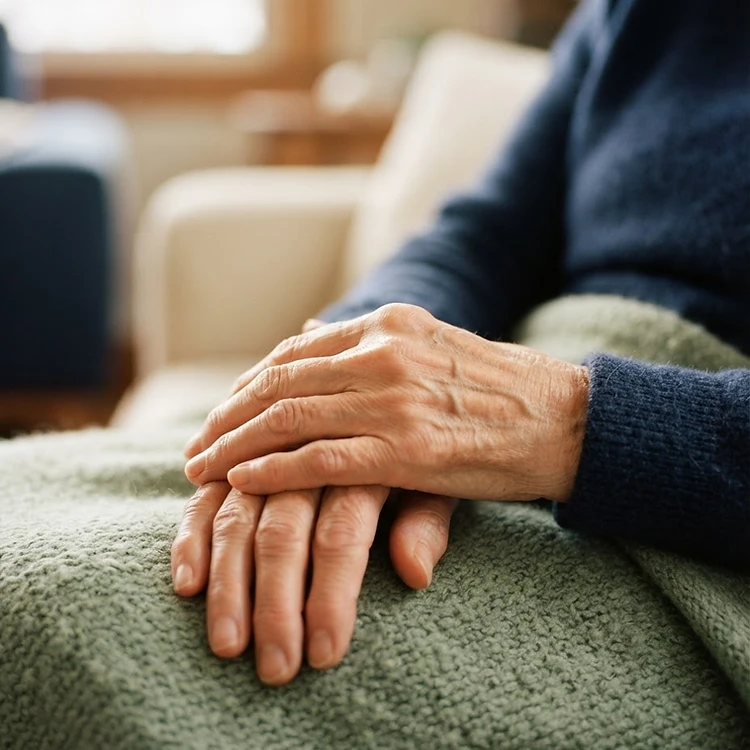
Parkinson's is the fastest-growing neurological disorder in the United States
Nearly one million Americans are living with Parkinson's disease, a number projected to rise to 1.2 million by 2030. Many face long waitlists for movement-disorder specialists, limited access to intensive multidisciplinary rehabilitation, and medication costs that strain family budgets. Cuba's internationally recognized program offers an alternative pathway — combining expert neurology, intensive therapy, and neuroprotective biotechnology.
~1M
Americans living with Parkinson's disease
90,000
New US diagnoses each year
60+
Average age of onset
$52B
Annual US economic burden of PD
A personalized Parkinson's treatment protocol
Each program is individualized based on disease stage, motor symptoms, and overall health — combining medication optimization with intensive rehabilitation and neuroprotective care.
Comprehensive Neurological Evaluation
Movement-disorder neurologists perform a full examination using the Unified Parkinson's Disease Rating Scale (UPDRS), Hoehn & Yahr staging, and 3T MRI to confirm diagnosis, assess progression, and establish a baseline.
Medication Optimization
Careful review and tuning of levodopa and dopaminergic therapy to maximize motor benefit while minimizing dyskinesia and side effects — a core differentiator of the Cuban approach.
NeuralCIM® Neuroprotective Therapy
Low-sialic-acid erythropoietin from Cuba's Center of Molecular Immunology (CIM), administered in-hospital for its neurotrophic and neuroprotective properties aimed at slowing disease progression.
Intensive Multidisciplinary Rehabilitation
4–6 hours of daily therapy — physical, occupational, and speech — coordinated by a single team to restore gait, balance, fine motor control, and vocal strength.
Neuropsychological & Cognitive Care
Assessment and treatment of non-motor symptoms including depression, anxiety, sleep disturbance, and cognitive changes that significantly affect quality of life.
Discharge & Remote Follow-up
A structured discharge plan with coordinated handover to your US physician and scheduled telemedicine check-ins to sustain gains over time.
Program outcomes
A 4–8 week individualized program, built around each patient's stage and overall health.
Reduced
Tremor & rigidity
Improved
Gait & balance
Enhanced
Motor control & independence
Specialized care features
Movement-Disorder Neurologists
Specialists who diagnose, stage, and direct a personalized plan grounded in decades of Cuban neurology experience.
Intensive Physical Therapy
4–6 hours of daily therapy across multiple disciplines, coordinated by a single team at CIREN.
Medication Optimization
Careful pharmacological management to reduce tremor and rigidity while minimizing side effects.
Neuropsychological Support
Cognitive and emotional support addressing the non-motor symptoms of Parkinson's disease.
Neuroprotective Approach
Cuban biotechnology and regenerative medicine options aimed at slowing disease progression.
Caregiver & Family Guidance
Education and counseling for families — because Parkinson's is a journey the whole family shares.
Therapeutic modalities
A multidisciplinary regimen delivered intensively under one coordinated team.
Intensive Physical Therapy
Daily gait, balance, and strength training to restore functional mobility and reduce fall risk.
Occupational Therapy
Fine-motor retraining and activities of daily living to preserve independence at home.
Speech & Swallowing Therapy
Intervention for hypophonia, articulation, and swallowing difficulties common in Parkinson's.
Levodopa & Medication Tuning
Careful adjustment of dopaminergic therapy to maximize benefit and minimize dyskinesia.
Neuroprotective Therapy
Cuban biotech options aimed at slowing progression, administered under medical supervision.
Cognitive & Emotional Care
Addressing depression, anxiety, and cognitive changes that accompany the disease.
Program structure
Analysis at CIREN, Havana
On-site neurological examination, motor assessment (UPDRS), neuroimaging, and medication review to build the individualized plan.
Treatment with NeuralCIM®
Three weeks of 4–6 hours of daily multidisciplinary therapy, NeuralCIM® neuroprotective care, and medication optimization per the medical team's plan.
Who the Parkinson's program is for
A free remote medical records review confirms whether the program is appropriate for each patient's specific situation.
Generally eligible
- Diagnosis of Parkinson's disease (any stage, Hoehn & Yahr I–IV)
- Mild to moderate motor symptoms responsive to dopaminergic therapy
- Stable general health permitting international travel
- Willingness to participate in an intensive 4–8 week program
- Caregiver or family companion able to accompany the patient
May not be eligible
- Advanced stage with severe dementia or complete immobility
- Unstable cardiac, respiratory, or other acute medical conditions
- Recent deep brain stimulation (DBS) surgery within 3 months
- Active psychosis or uncontrolled psychiatric conditions
Not sure if you qualify?
Send your medical records for a free, no-obligation review by Havana's movement-disorder specialists.
Parkinson's program — questions
Caregiver support — you are not alone in this
Caring for a loved one with Alzheimer's or Parkinson's is a journey the whole family shares. These practical tips, guides, and resources help you manage daily needs with confidence and compassion — at home and across borders.
Daily care tips
Create a safe home environment
Remove tripping hazards, install grab bars in bathrooms, secure loose rugs, and improve lighting in hallways and stairways to reduce fall risk and wandering incidents.
Simplify mealtime & nutrition
Offer nutrient-dense, easy-to-eat meals. Use adaptive utensils, serve smaller portions, and maintain a consistent meal schedule to support appetite and medication timing.
Manage sleep & sundowning
Establish a calm evening routine, limit daytime naps, reduce stimulation before bed, and keep the bedroom dark and cool to ease restlessness and nighttime confusion.
Build a daily routine
Predictable schedules for waking, meals, activities, and medication reduce anxiety and help preserve a sense of control for both patient and caregiver.
Stay socially connected
Encourage regular, meaningful interaction with family and friends. Social engagement supports mood and cognition and slows the sense of isolation.
Use memory & orientation aids
Labels, clocks, calendars, photo albums, and simple written reminders help reinforce orientation and support independence in daily tasks.
Caregiver guides
Caregiver's Starter Guide
A step-by-step introduction for families newly navigating an Alzheimer's or Parkinson's diagnosis — what to expect, what to plan, and where to begin.
Medication Management Guide
Practical tips for tracking prescriptions, recognizing side effects, coordinating with your US physician, and timing doses around the Cuban treatment program.
Behavioral & Communication Guide
Techniques for responding to confusion, agitation, and repetitive questions with patience — and strategies for clear, reassuring communication.
Emergency & Telehealth Guide
When to call your physician, how to prepare for a remote consultation with Havana specialists, and how to coordinate care across borders.
Resources we coordinate
Our patient coordination team connects families with structured support before, during, and after the Cuban treatment program.
- Multilingual patient coordination team available throughout the program
- Structured caregiver counseling sessions during the on-site stay in Havana
- Discharge handover with a written home-care plan for your US physician
- Remote check-ins with the Cuban clinical team after you return home
- Connections to US-based Alzheimer's and Parkinson's support organizations
Back home in the USA — with ongoing telemedicine follow-up
After your four-week program in Havana, you return home with a structured care plan. Your Cuban medical team continues follow-up through weekly or monthly telemedicine consultations to observe status changes, monitor movement and cognition, and keep your recovery on track.
Return to the USA
Leave Havana with a structured discharge plan, full clinical reports for your US physician, and a clear home-continuation guide.
Weekly or monthly telemedicine
Scheduled remote check-ins with your Cuban medical team to review progress and adjust guidance over time.
Monitor status & movement
Ongoing observation of cognitive and motor status, tracking changes in movement, function, and quality of life.
Coordinated with your US physician
Clinical reports and follow-up notes shared with your doctor at home for seamless continuity of care.
Your Parkinson's care journey
Remote Records Review
Send US medical records and MRI scans. Havana neurology specialists review and translate within 48 hours — free of charge.
Virtual or In-Person Evaluation
Join a live telehealth session with a movement-disorder neurologist, or travel to CIREN for a comprehensive in-person assessment.
Intensive Restoration Program
A 4–8 week individualized program combining daily multidisciplinary therapy, medication optimization, and neuroprotective care.
Home Continuation & Monitoring
A structured discharge plan, coordinated handover to your US physician, and remote check-ins to sustain gains over time.
Facing long waitlists at home?
American families connect with Cuban movement-disorder specialists within days — remotely or in-person in Havana.